

Parenting can feel like an endless rollercoaster ride filled with unexpected twists and turns. Just when a parent thinks they’ve got it all figured out, a toddler tantrum or a teenage eye roll can send them spiraling into a comedic chaos. These “parenting fails” aren’t just moments of embarrassment; they’re the hilarious stories that bond families and remind everyone that perfection is overrated.
From epic snack time disasters to misguided attempts at teaching life lessons, every parent has their share of blunders. Embracing these moments not only lightens the load of parenting but also provides the perfect opportunity to share a laugh. After all, it’s these mishaps that make the journey memorable and teach valuable lessons about resilience, humility, and the importance of a good sense of humor.
Common Parenting Fails
Parenting often includes missteps that can lead to both laughter and teaching moments. Acknowledging these fails can enhance relationships and foster resilience.
Overreacting to Minor Mistakes
Overreacting happens when a minor mistake triggers an exaggerated response. A child spills juice or forgets homework, and the parent reacts as if it’s a catastrophe. This behavior can instill fear rather than encourage learning. Parents should focus on maintaining composure during these situations. Responding calmly teaches children how to handle errors more effectively. For instance, gently guiding a child through cleanup reinforces problem-solving skills instead of creating anxiety.
Ignoring Emotional Needs
Ignoring emotional needs often results in children feeling unsupported. Parents may focus solely on academics or chores, overlooking the importance of emotional well-being. Failing to ask how a child feels can lead to confusion and withdrawal. When parents validate their children’s feelings, it strengthens bonds and builds trust. Regular check-ins about emotional states pave the way for open communication. Creating an environment where expressing feelings is safe fosters emotional resilience in children.
How Parenting Fails Impact Kids
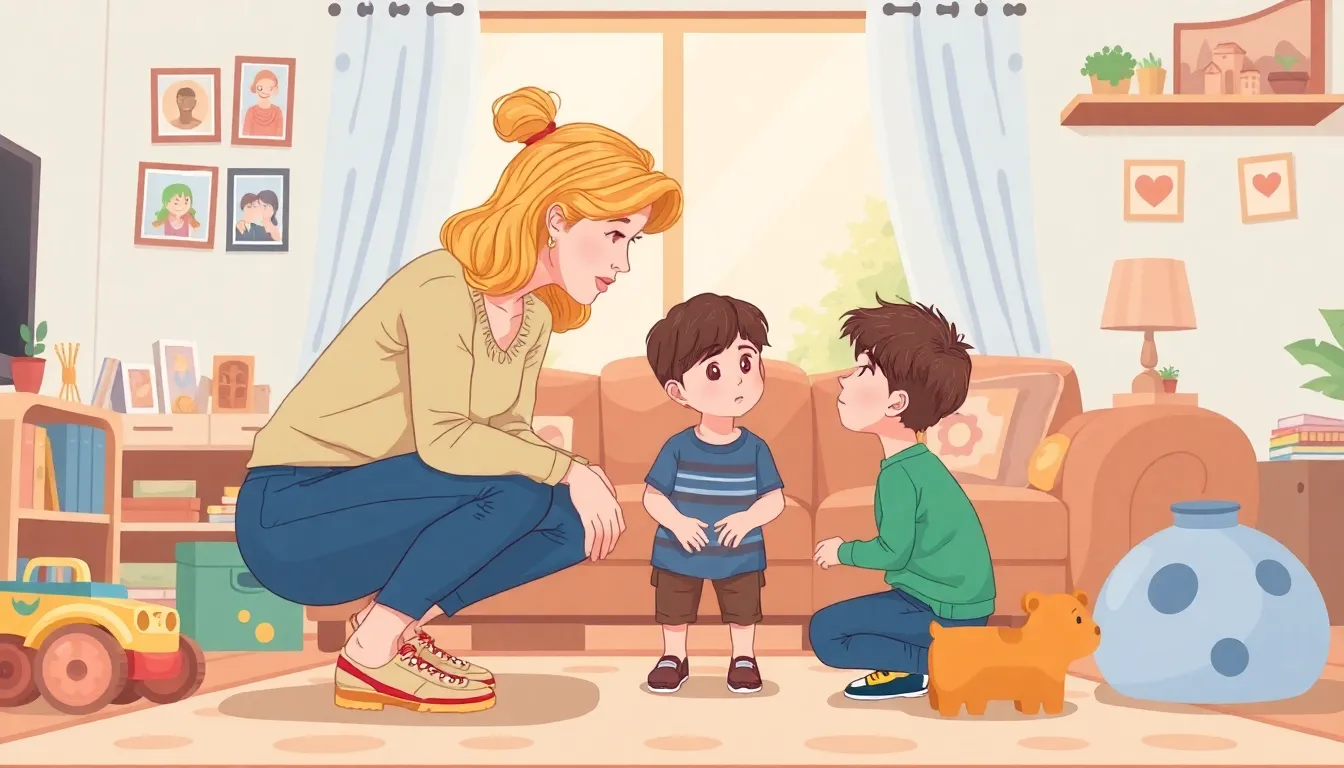
Parenting fails can significantly shape children’s development and emotional well-being. Navigating these challenges affects kids in various ways, highlighting the importance of addressing mishaps with intent.
Long-Term Effects on Mental Health
Parenting failures, when frequent, can lead to anxiety and depression in children. Developing a sense of insecurity often stems from a lack of validation and support during critical moments. Kids exposed to negative experiences may internalize these feelings, resulting in low self-esteem. Mental health issues can manifest over time, affecting academic performance and social interactions. Addressing failures through open discussions fosters resilience and confidence, allowing children to learn from their experiences, rather than fear them.
Strained Parent-Child Relationships
Missteps in parenting can create emotional distance between parents and children. Avoiding communication about failures may lead to misunderstandings and resentment. When children perceive their parents as overly critical or dismissive, they struggle to express their feelings. Trust can erode, making it difficult for families to connect. Strengthening relationships involves acknowledging imperfections, validating emotions, and maintaining open lines of communication. Engaging in dialogue promotes understanding, helping to mend rifts and reinforce parental bonds in the face of challenges.
Learning from Parenting Fails
Parenting fails provide valuable opportunities for growth. Embracing these moments enhances resilience in both parents and children.
Acknowledging Mistakes
Recognizing a mistake helps create an environment of understanding. Parents often hide their blunders, but transparency encourages open dialogue. Admitting errors strengthens trust, allowing children to learn from those situations. Expressing remorse after an incident can model accountability, crucial for emotional development. Children who see their parents acknowledge mistakes understand that everyone experiences challenges. This acknowledgment fosters empathy and resilience as both parties navigate parenting hurdles together.
Strategies for Improvement
Implementing strategies helps transform failures into learning experiences. Establishing a routine for family meetings promotes open communication about challenges. Encouraging children to express their feelings helps validate their emotions and fosters emotional intelligence. Practicing mindfulness techniques can aid parents in managing stress during tough moments. Additionally, seeking resources, such as parenting workshops or online forums, provides guidance from experienced parents. Making time for self-reflection allows caregivers to assess their actions and underlying motivations. These strategies collectively enhance parenting skills and contribute to a positive family dynamic.
Real-Life Examples of Parenting Fails
Parenting fails encompass a range of amusing and serious moments. These instances often become memorable stories that contribute to family bonding.
Humorous Situations
Unexpected mishaps frequently lead to laughter. One parent, while trying to help her child with a simple math problem, accidentally solved it in a way that made no sense, sparking giggles. Another parent prepared a healthy dinner, only to discover the children had secretively ordered pizza. These scenarios remind families that not every moment needs to be perfect. Children sometimes find humor in their parents’ mix-ups, like when a dad attempted to assemble a toy without reading the instructions, ultimately creating a comical disaster instead. Such moments serve as light-hearted reminders of the unpredictable nature of parenting.
Serious Consequences
Parenting fails can also lead to unintended fallout. One mother became frustrated during a heated argument, leading her child to feel abandoned emotionally. Emotional neglect can foster insecurity and hinder confidence, creating a negative cycle. Moreover, over-reaction to minor mistakes often instills fear rather than encourages learning. Children’s emotional needs sometimes take a backseat, resulting in feelings of confusion. Furthermore, neglect in acknowledging a child’s achievements might prevent open communication, causing misunderstanding between parent and child. Addressing these serious consequences can strengthen relationships and foster resilience, creating a healthier family dynamic.
Parenting fails are an inevitable part of the journey that every family experiences. These moments not only provide comic relief but also serve as essential learning opportunities. By embracing imperfections and fostering open communication, parents can strengthen their bonds with their children.
Acknowledging mistakes helps create a nurturing environment where children feel safe to express their emotions. This approach not only builds resilience but also cultivates trust within the family. Ultimately, it’s through these shared experiences that parents and children grow together, turning challenges into cherished memories.


