

Tossing and turning all night? It might be time to wake up and smell the sleep! Home sleep assessments are the new superheroes in the world of slumber, swooping in to save restless nights from the clutches of insomnia. Forget the stuffy sleep clinics that feel more like a sci-fi movie set. Now, you can evaluate your sleep from the comfort of your own bed, wearing your favorite pajamas and maybe even snuggling with your pet.
These assessments are designed to help identify sleep disorders without the hassle of leaving home. With just a few simple tools, individuals can uncover the mysteries of their nighttime habits. So why not trade those sleepless nights for a cozy blanket and some insightful data? It’s time to take the first step toward sweet dreams and better health, all while enjoying the luxury of your own pillow.
Overview of Home Sleep Assessments
Home sleep assessments serve as an effective method for diagnosing sleep disorders. Individuals often prefer these evaluations due to their convenience and comfort. Using simple devices, people can monitor their sleep patterns without extensive travel or anxiety associated with sleep clinics.
Typically, these assessments involve equipment such as portable monitoring devices that track breathing, oxygen levels, and heart rates. Data collected during sleep provides valuable insights into an individual’s nocturnal behavior. Physicians then analyze this information to identify potential issues like sleep apnea or other disorders.
Accessibility stands out as a key benefit. Anyone can conduct an assessment in their own home environment. This simplicity encourages proactive management of sleep health, enabling individuals to take the first step toward improvement.
Utilizing home sleep assessments also saves time and expense. Traditional sleep studies often require overnight stays in clinics that can be costly. With at-home assessments, people avoid these challenges while still obtaining crucial diagnostic data.
Effectiveness remains comparable to laboratory studies. Research indicates that home assessments yield reliable results for diagnosing common sleep disorders. Individuals who seek answers about their sleep quality find this approach to be beneficial and less intimidating.
Home sleep assessments offer a streamlined and accessible solution for understanding sleep-related health issues. They empower individuals to take control of their sleep patterns in a comfortable setting while facilitating informed discussions with healthcare providers.
Importance of Home Sleep Assessments
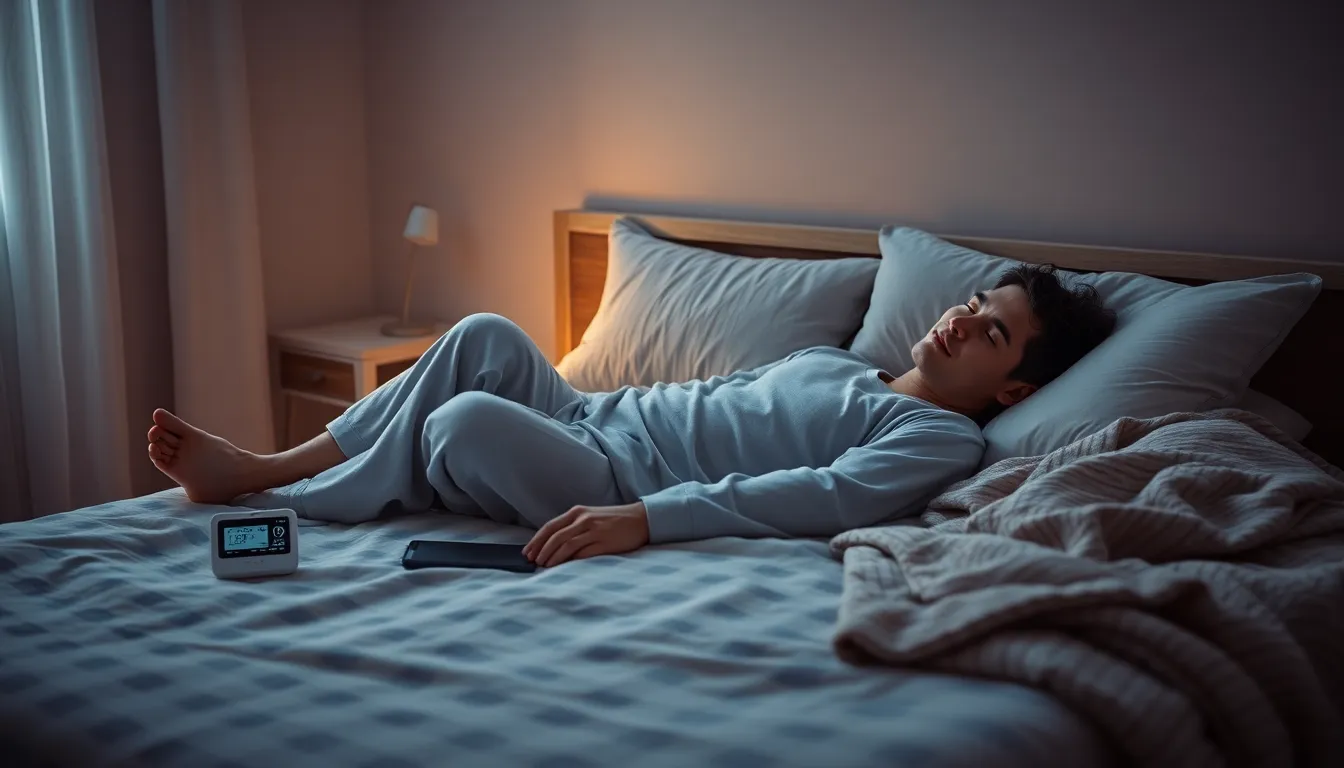
Home sleep assessments play a crucial role in diagnosing sleep disorders. These assessments provide insights into individual sleep patterns, fostering better sleep management.
Benefits for Patients
Patients enjoy significant advantages through home sleep assessments. Comfort increases when individuals can evaluate their sleep without the stress of a clinical environment. Convenience enhances the process, allowing them to engage in assessments at their own pace. Data collected from these assessments aids healthcare providers in identifying specific issues like sleep apnea, resulting in tailored treatment options. Timeliness matters; quick access to results empowers patients to make informed decisions about their sleep health. Overall, home sleep assessments promote greater awareness of sleep habits, leading to improved overall well-being.
Cost-Effectiveness
Cost-effectiveness stands out as a key reason for choosing home sleep assessments. These assessments eliminate the need for expensive overnight stays in clinics, dramatically reducing overall costs. Access to affordable portable monitoring devices further drives down expenses associated with traditional sleep studies. Patients find themselves benefiting from quick results without compromising quality, allowing for timely interventions. Research indicates that home assessments yield reliable diagnostics comparable to in-lab studies. This financial advantage contributes to increased accessibility for individuals seeking answers about their sleep quality.
Types of Home Sleep Assessments
Home sleep assessments come in various forms, catering to different needs and preferences. These methods allow individuals to monitor their sleep habits effectively.
Portable Sleep Monitors
Portable sleep monitors are compact devices designed for easy use at home. These tools often track vital signs, including breathing patterns, heart rates, and blood oxygen levels. During a typical assessment, individuals wear sensors or place them near their sleep area. Data collected is then analyzed by healthcare providers to identify potential sleep disorders like sleep apnea. Users appreciate the convenience of monitoring their sleep without the need for a clinical setting. Studies indicate that portable monitors deliver results comparable to those from traditional sleep lab tests, making them a reliable option for individuals seeking insights into their sleep health.
Wearable Devices
Wearable devices, such as smartwatches and fitness trackers, also support home sleep assessments. Many of these devices track sleep duration and quality through sensors that capture movement and heart rate data. It’s common for individuals to wear these devices throughout the night for accurate readings. Analyzing the information helps users understand their sleep patterns and identify factors affecting sleep quality. Wearable technology offers the advantage of real-time health monitoring, often integrating with mobile apps for easy data access. Research shows that these devices contribute valuable information, allowing individuals to engage actively in managing their sleep health.
Process of Conducting Home Sleep Assessments
Understanding the process of home sleep assessments involves several key steps, including preparation and data collection methods.
Preparation for the Assessment
Preparation for a home sleep assessment is crucial for accurate results. Individuals should consult with healthcare providers to understand specific needs. Gathering necessary equipment, like portable monitors or wearable devices, is typically the first step. Reviewing guidelines for device usage ensures users correctly position and wear the devices. Setting up a sleep-friendly environment helps create a comfortable atmosphere conducive to quality sleep. Patients should also maintain a consistent sleep schedule leading up to the assessment to gather reliable data. Recording any medications or substances affecting sleep patterns offers additional insights.
Data Collection Methods
Data collection methods vary based on the tools used for the assessment. Portable sleep monitors typically collect data on breathing patterns and oxygen levels throughout the night. These devices often attach to the body with minimal interference, allowing natural sleep. Wearable devices, including fitness trackers, monitor heart rates and movement during sleep. Many of these devices analyze sleep duration and quality, offering detailed reports. Advanced technology helps ensure the accuracy of collected data, making it comparable to traditional sleep lab tests. Overall, these methods provide valuable insights for physicians when diagnosing sleep disorders.
Limitations of Home Sleep Assessments
Home sleep assessments, while convenient, exhibit some limitations that users should consider.
Accuracy Concerns
Accuracy is a significant concern with home sleep assessments. Data collected may not match the precision of in-lab evaluations. Factors like improper device placement or user error contribute to fluctuating results. Certain sleep disorders require detailed monitoring that home assessments may fail to capture completely. Short assessment periods can also lead to incomplete data, potentially resulting in missed diagnoses. Reliance on these assessments without professional oversight might cause individuals to overlook critical sleep issues.
Comparisons to In-Lab Sleep Studies
Comparisons to in-lab sleep studies reveal key differences. In-lab evaluations often involve comprehensive monitoring of brain waves, eye movements, and muscle activity, providing a more thorough understanding of sleep patterns. Home assessments primarily focus on breathing and heart rate, which may not suffice for complex diagnostic needs. Additionally, specialists analyze in-lab data directly, allowing for prompt interpretation and recommendations. The level of comfort and accessibility in home settings is appealing, but it may not replace the comprehensive care offered by traditional sleep studies.
Home sleep assessments represent a significant advancement in sleep health management. By enabling individuals to evaluate their sleep patterns in a familiar environment, these assessments enhance accessibility and comfort. The use of portable monitoring devices provides valuable insights that empower patients to take charge of their sleep quality.
While home assessments come with their own set of limitations, they offer a practical alternative for many seeking answers to sleep-related issues. As technology continues to evolve, the potential for these assessments to improve understanding and treatment of sleep disorders will only increase. Embracing this approach can lead to better sleep health and overall well-being.


