

Tossing and turning at 3 AM? It’s like a bad game of musical chairs where sleep just won’t take a seat. If counting sheep isn’t cutting it and the ceiling has become your new best friend, it’s time to explore the world of get back to sleep meditation. This isn’t just about zen vibes and incense; it’s about reclaiming those precious Zs and banishing the nighttime brain chatter.
What Is Get Back to Sleep Meditation?
Get back to sleep meditation is a targeted practice designed to help individuals who wake up during the night and struggle to return to slumber. This method incorporates mindfulness and guided imagery to shift focus away from intrusive thoughts and restore tranquility. By using this meditation approach, sleepers can cultivate a more serene mindset conducive to rest.
Breath control plays a crucial role in get back to sleep meditation. Practitioners learn to take slow, deep breaths, promoting a sense of grounding and relaxation. Techniques may involve visualizing peaceful scenes or repeating calming phrases to engage the mind positively.
Mindfulness techniques enable individuals to acknowledge their thoughts without judgment. When an anxious mind arises, returning focus to the present moment fosters acceptance and eases tension. The process helps combat overthinking and redirects energy towards the goal of restful sleep.
Many guided meditations and apps are available that specifically target nighttime awakenings. These resources provide clear instructions and supportive sounds, creating a calming environment. Participants can choose sessions that fit their preferences for duration and style.
Incorporating this meditation practice into a nightly routine can yield long-term benefits. A regular commitment to get back to sleep meditation enhances not only sleep quality but overall well-being. Various studies support the efficacy of meditation in reducing insomnia symptoms and improving psychological health.
Benefits of Get Back to Sleep Meditation
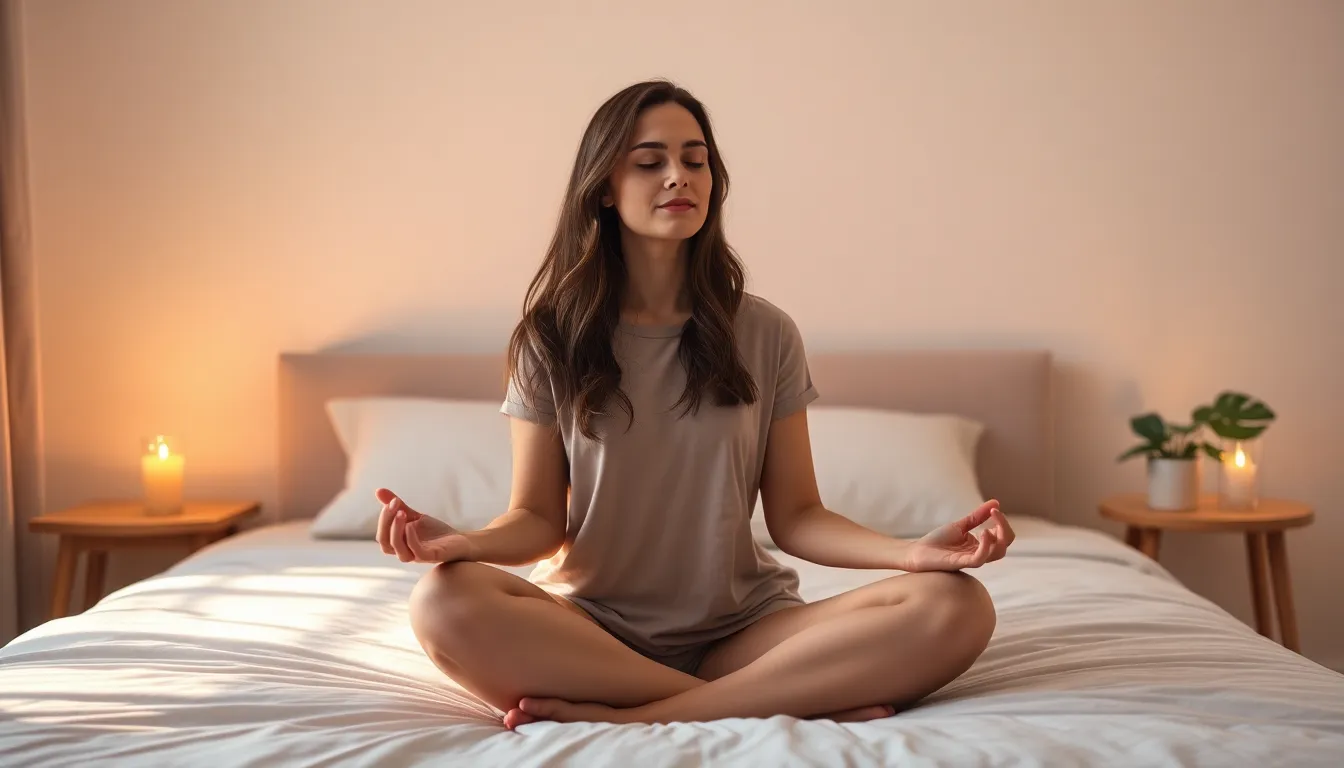
Get back to sleep meditation offers various advantages that enhance nighttime rest. These benefits play a crucial role in establishing a calming bedtime routine and improving overall sleep health.
Improved Sleep Quality
Enhanced sleep quality results from practicing get back to sleep meditation. Participants often experience deeper, more restorative rest through guided imagery and breath control. Sleep patterns improve as individuals develop a clearer mindset, which minimizes nighttime awakenings. Practitioners report increased sleep duration, leading to a reduction in daytime fatigue. Research supports these claims, indicating that mindfulness practices can lead to a significant improvement in sleep efficiency and satisfaction. Regular engagement with this meditation technique fosters a healthier sleep cycle, allowing the mind and body to rejuvenate effectively.
Reduced Anxiety and Stress
Reduced anxiety and stress levels contribute significantly to the effectiveness of get back to sleep meditation. Participants learn to acknowledge intrusive thoughts during the night without judgment, creating a sense of mental clarity. This method shifts focus from racing thoughts to calming visualizations, fostering emotional tranquility. Breathing techniques practiced during meditation help ease tension, allowing individuals to cope better with daily stresses that disrupt sleep. Studies indicate that consistent meditation practice can lower cortisol levels, the hormone responsible for stress. As a result, a calmer mind paves the way for a more peaceful night’s rest and improved overall well-being.
Techniques for Get Back to Sleep Meditation
Get back to sleep meditation incorporates effective techniques that promote relaxation and tranquility during nighttime awakenings. Two prominent techniques include breathing exercises and guided visualization.
Breathing Exercises
Breathing exercises play a crucial role in calming the mind and body. Practitioners focus on slow, deep breaths to facilitate relaxation. Inhale deeply through the nose, allowing the chest and abdomen to expand fully. Exhale gently through the mouth, releasing any tension from the body. This cycle fosters awareness, aiding individuals in recognizing their thoughts without judgment. Regular practice enhances sleep quality, as research shows that breath control can lower cortisol levels, contributing to a peaceful night’s rest.
Guided Visualization
Guided visualization transports individuals to serene settings, promoting emotional tranquility. Participants imagine peaceful scenes, such as a quiet beach or a tranquil forest, which helps distract from racing thoughts. A detailed mental image engages the senses, making the experience more immersive. Additionally, following audio recordings can enhance this process, as they typically provide soothing narratives to guide practitioners. Consistent use of guided visualization has shown promising results in improving sleep efficiency and satisfaction, supporting its role in get back to sleep meditation.
Incorporating Get Back to Sleep Meditation into Your Routine
Establishing a consistent meditation practice enhances its effectiveness. Begin by setting aside time each night for get back to sleep meditation, ideally in a quiet space conducive to relaxation. Using a calming environment supports mindfulness and reduces distractions.
Additionally, utilizing apps or guided recordings specifically designed for nighttime meditations can simplify the process. These resources provide structured sessions that aid in focusing on breath control and visualization techniques. Many users find these tools beneficial for quickly transitioning back into sleep.
Integrating breathing exercises into the routine is equally important. Slow, deep breaths promote relaxation and counteract stress, encouraging deeper sleep. Practitioners should focus on inhaling through the nose and exhaling slowly to create a calming rhythm.
Setting a calming pre-sleep ritual further supports the practice. Incorporating activities like reading or gentle stretches helps signal the body that it’s time to wind down. Such practices combined with meditation provide a holistic approach to tackling sleeplessness.
Consistency plays a major role in cultivating long-term benefits. Experts recommend practicing meditation most nights, as frequent engagement reinforces positive sleep patterns. Journaling or noting progress may also help individuals observe improvements in sleep quality and emotional well-being.
Connecting meditation routines with bedtime habits enhances effectiveness. As practitioners become more aware of their thoughts during nighttime awakenings, they can acknowledge them without judgment. This awareness supports a shift in focus, making it easier to return to slumber.
Lastly, reflecting on meditation experiences can facilitate gradual improvement over time. By noting feelings and changes, individuals gain insights into their sleep patterns, further optimizing their meditation practices. This continuous evaluation strengthens the overall journey towards better sleep.
Embracing get back to sleep meditation can transform sleepless nights into restful slumber. By incorporating mindfulness and breathing techniques into a nightly routine, individuals can effectively quiet their minds and redirect their focus. This practice not only enhances sleep quality but also fosters emotional tranquility and reduces stress levels. With the help of guided meditations and calming pre-sleep rituals, returning to sleep becomes a more achievable goal. As individuals commit to this meditation, they may find themselves enjoying deeper, more restorative rest, leading to improved overall well-being. Prioritizing this practice could be the key to reclaiming peaceful nights and revitalizing days.


