

In a world filled with buzzing phones and endless to-do lists, getting someone to drift off into dreamland can feel like a superpower. Whether it’s a restless partner or a fidgety friend, knowing how to put someone to sleep can transform you into the ultimate relaxation guru. Imagine the satisfaction of watching their eyelids grow heavy as you master the art of soothing slumber.
Understanding Sleep
Sleep is crucial for overall health and well-being. It affects mood, cognitive function, and physical health.
The Importance of Sleep
Sleep enables the body to recover, repair, and rejuvenate. During sleep, the brain processes information, consolidating memories, which enhances learning. Insufficient sleep leads to a range of issues, including decreased alertness and impaired judgment. According to the National Sleep Foundation, adults should aim for 7 to 9 hours of sleep per night. Quality sleep supports immune function, reduces stress, and improves emotional regulation. Prioritizing sleep helps maintain optimal health, making it essential for daily functioning and long-term wellness.
Common Sleep Disorders
Many individuals experience sleep disorders that disrupt their rest. Insomnia affects roughly 30% of adults, leading to difficulties falling or staying asleep. Sleep apnea causes interruptions in breathing during sleep, resulting in loud snoring and daytime fatigue. Restless legs syndrome involves uncomfortable sensations in the legs, prompting an urge to move them. Narcolepsy is characterized by excessive daytime sleepiness and sudden sleep attacks. Identifying and addressing these disorders improves sleep quality, highlighting the need for awareness and intervention.
Preparing the Environment
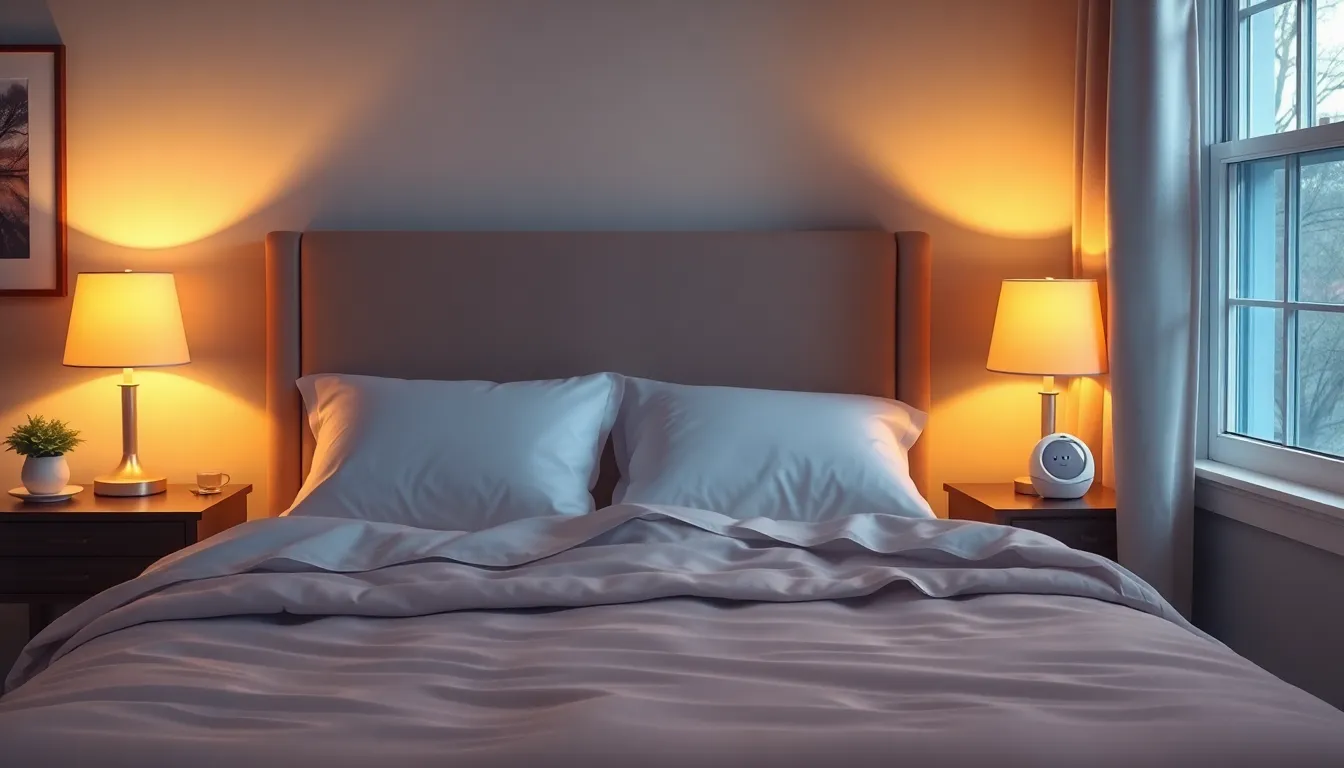
Creating a calming environment enhances the chance of helping someone fall asleep. Specific factors contribute to this peaceful setting.
Creating a Sleep-Inducing Atmosphere
Soft lighting promotes relaxation. Dim the lights or use lamps with warm hues. A comfortable temperature supports restful sleep, so adjust it to around 60 to 67 degrees Fahrenheit. Incorporate soothing scents like lavender to enhance tranquility. Essential oil diffusers can disperse calming fragrances throughout the room. Lastly, use a comfortable mattress and pillows that provide the right support, creating a nurturing environment for slumber.
Reducing Noise and Distractions
Noise levels play a significant role in sleep quality. Minimize loud sounds by closing windows and doors. Use white noise machines or fans to mask disruptive noises. Keeping electronic devices away helps reduce distractions. Turning off screens at least an hour before bedtime decreases blue light exposure and promotes better sleep. Establishing a quiet, uninterrupted space encourages relaxation and makes drifting into sleep easier.
Techniques for Relaxation
Relaxation techniques play a vital role in preparing someone for sleep. They help calm the mind and body, making it easier for an individual to drift off peacefully.
Breathing Exercises
Breathing exercises reduce stress and promote relaxation. Focusing on deep, slow breaths facilitates a state of calm. Inhale deeply through the nose for a count of four, hold for seven counts, and exhale through the mouth for eight counts. Repeating this cycle three to four times creates a soothing rhythm. These exercises encourage mindfulness, allowing thoughts to settle and gently guiding one into restfulness.
Gentle Massage Techniques
Gentle massage techniques enhance relaxation and encourage sleep. Applying light pressure to shoulders and neck can alleviate tension and promote comfort. Using the palms, a gentle kneading motion helps release muscle tightness. Additionally, massaging the hands and feet calms the nervous system, fostering tranquility. Each stroke should be slow and deliberate, inviting a sense of peace and warmth that supports a smooth transition to sleep.
Utilizing Sleep Aids
Many options exist for aiding sleep. These options range from natural remedies to over-the-counter medications.
Natural Sleep Remedies
Herbal teas like chamomile and valerian root promote relaxation and encourage sleepiness. Essential oils, such as lavender or cedarwood, can create a calming atmosphere when diffused in the bedroom. Melatonin supplements regulate the sleep-wake cycle and are especially helpful for those experiencing disrupted sleep patterns. Magnesium also plays a role in relaxation, and incorporating magnesium-rich foods like almonds, spinach, and bananas into the diet can support improved sleep quality. Sleep hygiene practices can enhance these remedies by creating an ideal environment for rest.
Over-the-Counter Options
Several over-the-counter sleep aids assist with falling asleep. Diphenhydramine is a common antihistamine that induces drowsiness, often found in brands like Benadryl and Nytol. Another option is doxylamine, which offers similar effects and is used in products like Unisom. These medications can help temporary sleeplessness, but using them cautiously is essential to avoid dependency. Consulting a healthcare professional before starting any new medication is always advisable, especially for individuals with existing health conditions.
Tailoring Approaches
Tailoring approaches ensures effective sleep induction by addressing individual needs. Understanding a person’s preferences and sleep patterns facilitates customized methods. Assessing existing medical conditions or sleep disorders plays a crucial role in determining the best approach. Gathering details about lifestyle habits helps identify potential distractions or stresses contributing to sleep difficulties.
Assessing Individual Needs
Assessing individual needs involves recognizing specific triggers that hinder sleep. Some may respond positively to calming music, while others prefer complete silence. Identifying anxiety levels guides the selection of relaxation techniques. Gathering information on daily routines assists in establishing a suitable bedtime that aligns with their circadian rhythm. Considering dietary habits also proves beneficial, as caffeine intake or heavy meals close to bedtime can disrupt sleep.
Customizing Techniques for Different Ages
Customizing techniques for different ages addresses varying sleep requirements. Infants often benefit from consistent bedtime routines and gentle rocking motions to foster relaxation. For children, incorporating storytelling or calming visual aids enhances the bedtime experience. Adults typically respond well to breathing exercises and mindfulness practices that reduce stress. Older adults may need adjustments in the sleep environment, such as comfortable bedding and reduced ambient noise, to support sleep comfort. Each age group requires thoughtful consideration to improve sleep quality effectively.
Helping someone fall asleep is a skill that can significantly enhance their quality of life. By creating a calming environment and using relaxation techniques, it’s possible to guide them into a peaceful slumber. Understanding individual needs and preferences is key to tailoring approaches effectively.
Incorporating natural sleep aids and addressing any underlying sleep disorders can further improve sleep quality. With a thoughtful approach, anyone can become a valuable ally in the quest for restful sleep, ultimately contributing to better health and well-being for those they care about.