

In a world where binge-watching is practically a sport, mobile streaming has become the MVP of entertainment. Gone are the days of being tethered to a couch or a bulky TV. Now, with just a tap, anyone can dive headfirst into their favorite shows or movies while waiting in line for coffee or pretending to pay attention in a meeting.
Overview of Mobile Streaming
Mobile streaming refers to the ability to watch video content on portable devices like smartphones and tablets. This trend has rapidly gained momentum, driven by the increasing availability of high-speed internet and advanced mobile technologies. Users stream a variety of content, including movies, TV shows, and live events, often choosing platforms such as Netflix, Hulu, and YouTube.
Demographics show that younger viewers are leading the charge, with 90% of 18-29-year-olds in the U.S. engaging in mobile streaming. Accessibility plays a significant role in its popularity. Anywhere with a data connection provides opportunities for streaming, making it an ideal choice for busy lifestyles. Users often stream content during commutes, breaks, or downtime.
Quality is another critical factor. Many streaming services now offer high-definition videos optimized for mobile viewing. Content delivery networks enhance streaming efficiency, minimizing buffering and enhancing user experience. This technological evolution means that viewers rarely compromise on quality, even while on the go.
Mobile streaming also affects traditional media consumption habits. As viewers increasingly favor on-demand access, traditional cable subscriptions decline. Research indicates that 60% of U.S. households have cut the cord, opting instead for mobile-friendly alternatives.
Engagement through mobile streaming often leads to binge-watching behavior. With entire seasons of shows available at viewers’ fingertips, consuming multiple episodes in one sitting becomes commonplace. This cultural shift emphasizes convenience and personalization, characteristics that define the mobile streaming landscape today.
Popular Mobile Streaming Platforms
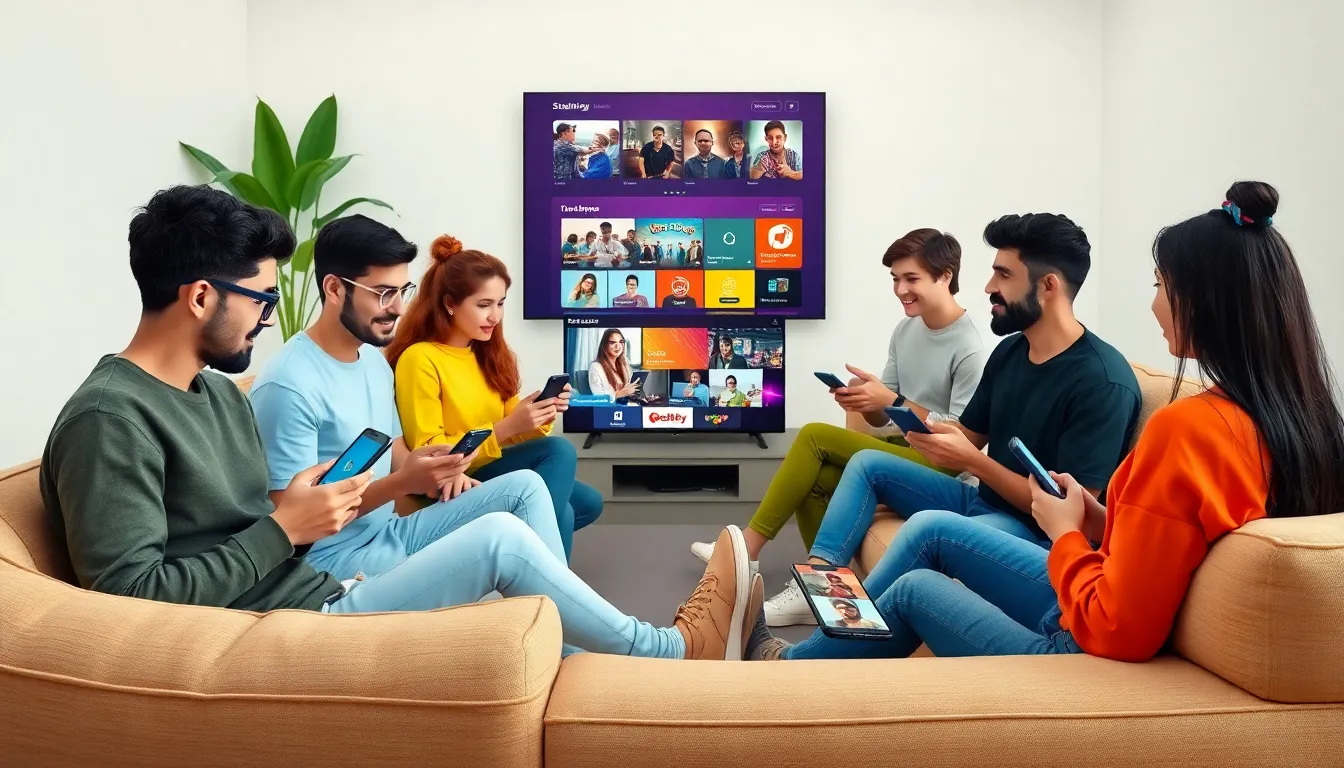
Mobile streaming features a variety of platforms catering to diverse audiences. Many services offer unique advantages, enhancing the user experience across devices.
Major Players in the Market
Netflix dominates mobile streaming, offering a vast library of films and series. Hulu follows closely, providing access to current TV shows and original content. Amazon Prime Video appeals to subscribers by bundling streaming services with shopping benefits. Disney+ taps into nostalgia, presenting family-friendly content and exclusive releases from major franchises. HBO Max attracts viewers with premium programming, including beloved series and films. These platforms have tailored their offerings to meet changing viewer preferences.
Features and Offerings
Mobile streaming platforms provide various features to enhance viewing experiences. High-definition streaming allows viewers to enjoy crisp visuals on mobile devices. Download options enable offline viewing, ensuring access during travel or poor connectivity. Personalized recommendations simplify content discovery, catering to individual tastes. Many services also incorporate user-friendly interfaces, making navigation effortless. Exclusive content remains a significant draw, as subscribers seek unique programming not available elsewhere. Overall, these features contribute to the growing popularity of mobile streaming services.
Benefits of Mobile Streaming
Mobile streaming offers numerous advantages that elevate users’ viewing experiences. Its expanding popularity stems from its ability to cater to diverse needs.
Convenience and Accessibility
Convenience defines mobile streaming, enabling users to access content anytime and anywhere. Viewers can enjoy their favorite shows during commutes, breaks, or even in waiting rooms. Accessibility also plays a critical role, as most people own smartphones or tablets, making streaming widely available. High-speed internet now reaches rural and urban areas alike, further enhancing user experience. For instance, approximately 90% of 18-29-year-olds in the U.S. embrace this flexibility, leading to an increase in on-the-go viewing.
Cost-Effectiveness
Cost-effectiveness significantly influences the shift toward mobile streaming. Many streaming services provide budget-friendly options compared to traditional cable subscriptions, which often come with hefty fees. In fact, 60% of U.S. households have opted for mobile alternatives, embracing this more affordable entertainment choice. Additionally, users save on hardware costs since streaming occurs on devices they already own. Many platforms also offer free trials, allowing potential customers to explore services risk-free before committing. This affordability enhances the appeal of mobile streaming, making it an attractive option for a growing number of viewers.
Challenges of Mobile Streaming
Mobile streaming faces several challenges that can affect the overall viewer experience. Key issues include data consumption and quality of service.
Data Consumption Issues
Data consumption presents a significant challenge for mobile streaming users. Streaming high-definition videos can quickly exhaust data plans, leading to unexpected overage charges. Many viewers prefer using Wi-Fi connectivity to mitigate this problem, but not all locations offer reliable access. Users watching content during commutes may face data limits imposed by their service providers. Various streaming platforms also offer settings to adjust video quality, helping manage data usage effectively. Balancing quality and data consumption plays a crucial role in enhancing the mobile streaming experience.
Quality of Service
Quality of service significantly impacts mobile streaming performance. Connection stability varies greatly, especially in areas with poor network coverage. Interruptions such as buffering and freezing can frustrate viewers. For optimal experiences, users benefit from high-speed internet, but not all mobile networks can consistently provide sufficient bandwidth. Adaptations like adaptive bitrate streaming help mitigate quality issues by adjusting video resolution based on current internet speeds. Meeting the demand for high-quality content requires continuous improvements from mobile service providers and streaming platforms.
Future Trends in Mobile Streaming
Mobile streaming continues to evolve rapidly, highlighting several upcoming trends that shape the industry. Artificial intelligence is gaining traction, enhancing user experiences through personalized recommendations and content curation. Many platforms leverage AI algorithms to analyze viewing habits, enabling tailored suggestions that increase viewer engagement.
5G technology is set to transform the landscape of mobile streaming. This advanced network significantly reduces latency and increases download speeds, allowing for seamless streaming of high-definition content. With 5G, users experience fewer buffering interruptions, making mobile streaming more reliable and enjoyable.
Interactive streaming platforms are also gaining popularity. Viewers increasingly seek engaging content that allows for participation, such as choose-your-own-adventure narratives and live-streamed events. Platforms that embrace interactive features can enhance viewer satisfaction and deepen viewer connections to the content.
Moreover, social media integration is becoming more prevalent in mobile streaming. Users appreciate the ability to share content easily with friends and family. This trend encourages social viewing experiences within platforms, ultimately expanding the reach and appeal of streaming services.
The development of support for augmented reality (AR) and virtual reality (VR) technologies is another notable trend. As these technologies advance, they are likely to augment storytelling methods and offer immersive experiences, transforming how viewers engage with content.
Finally, subscription-based models are diversifying. Many platforms now offer tiered subscriptions, allowing users to choose packages based on their viewing preferences and budget. This flexibility caters to varying consumer demands, fostering greater access to diverse content libraries across platforms.
Mobile streaming is redefining how audiences consume content. Its flexibility and convenience cater to the fast-paced lifestyles of today’s viewers. As technology continues to evolve the landscape, users can expect even more personalized experiences and innovative features.
The rise of mobile streaming isn’t just a trend; it’s a fundamental shift in media consumption. With the increasing adoption of 5G and advancements in AI technology, the future looks bright for mobile entertainment. Viewers will continue to enjoy seamless access to vast libraries of content, transforming how they engage with their favorite shows and movies. As this evolution unfolds, staying informed about new developments will enhance their streaming experience even further.