
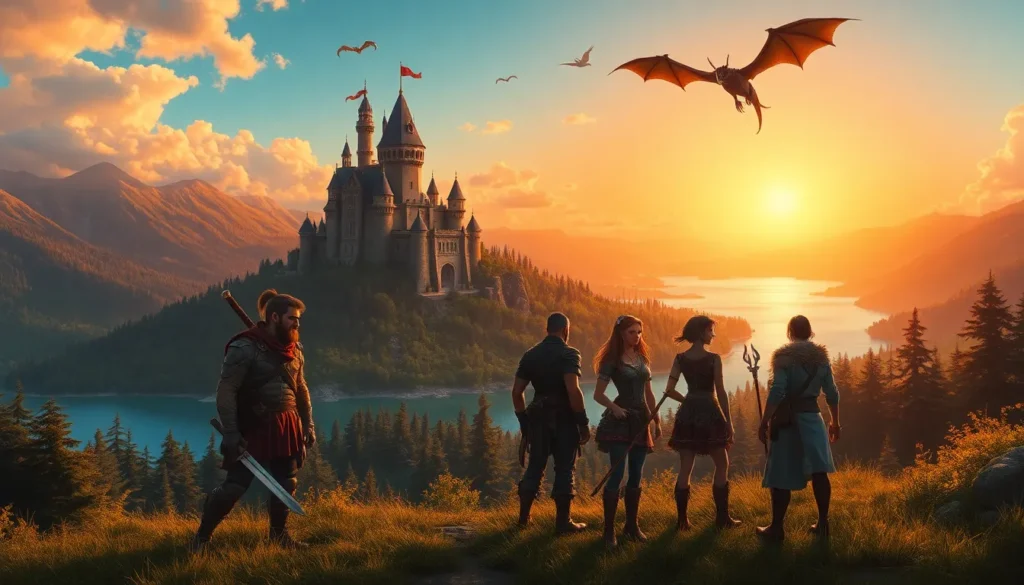
In a world where dragons roam and wizards brew potions, fantasy series transport readers to realms beyond imagination. These captivating tales not only spark creativity but also offer a delightful escape from reality. Whether it’s slaying monsters or embarking on epic quests, fantasy series invite everyone to unleash their inner hero—cape optional.
Overview of Fantasy Series
Fantasy series immerse readers in imaginative realms. They often feature mythical creatures, magic, and heroes on epic quests. The genre appeals to those seeking adventure and escape from reality. Classic examples include “The Lord of the Rings,” where Tolkien crafted a detailed universe filled with intricate lore and diverse cultures.
Magic systems in these series vary significantly. Some stories rely on spells and incantations, while others integrate magical artifacts to enhance the plot. Exploring these elements can deepen engagement with the story and its characters. Unique world-building sets fantasy apart, introducing intricate societies and history.
Narratives frequently center around the classic hero’s journey. Characters undergo significant development as they face trials and tribulations. Readers often relate to the characters’ struggles and triumphs, fostering a deeper emotional connection. The themes of friendship, loyalty, and courage resonate strongly within this genre.
Market research indicates a growing popularity of fantasy series in recent years. In 2022, over 40 million fantasy novels were sold globally. Audiences appreciate immersive storytelling that encourages exploration of complex themes within vibrant worlds. Streaming services also contribute to this trend, adapting popular series into television shows, attracting new fans.
Diverse voices enrich the fantasy genre, bringing new perspectives and innovative storytelling. Authors from various backgrounds offer fresh interpretations of classic tropes. This inclusivity can introduce readers to unfamiliar cultures and ideas, enhancing the genre’s depth and appeal.
Fans of fantasy series embrace the chance to escape reality and explore the limitless boundaries of imagination. The characters and worlds within these stories allow for endless creativity and critical examination of real-life issues while adventuring through vivid landscapes.
Popular Fantasy Series
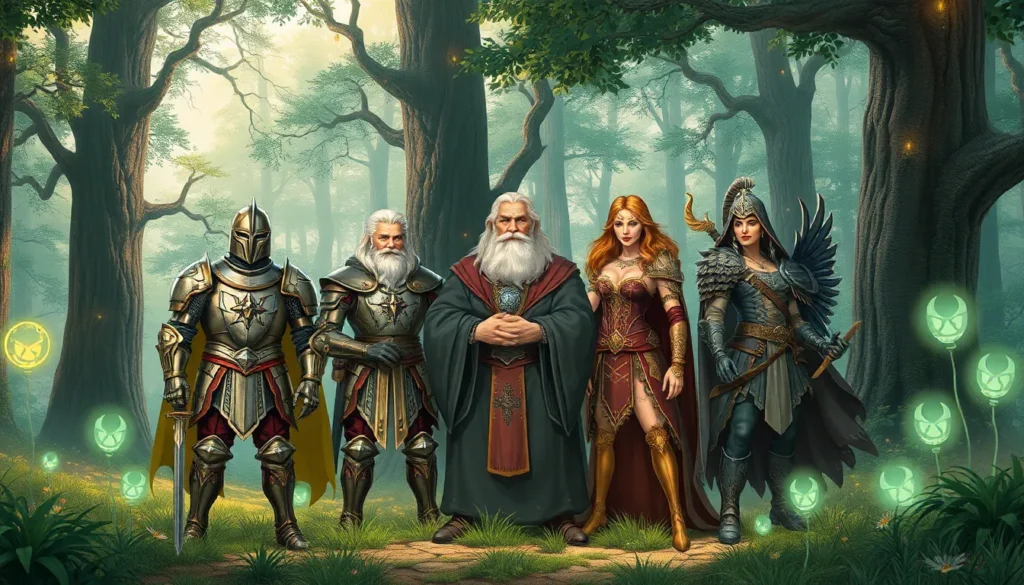
Fantasy series captivate readers with imaginative realms, attracting fans worldwide. The genre features distinct subgenres, including epic fantasy and urban fantasy.
Epic Fantasy
Epic fantasy immerses readers in vast, complex worlds filled with grand adventures. Series like “The Lord of the Rings” by J.R.R. Tolkien showcase monumental battles, rich lore, and unforeseen alliances. Characters embark on transformative journeys, facing formidable foes and personal challenges. Elements like well-crafted magic systems and intricate histories distinguish epic fantasies. These narratives often center around themes of heroism, sacrifice, and destiny. “A Song of Ice and Fire” by George R.R. Martin exemplifies contemporary epic fantasy, blending political intrigue and deep character arcs. The genre consistently appeals to readers seeking immersive experiences and imaginative storytelling.
Urban Fantasy
Urban fantasy intertwines magical elements with modern settings, creating captivating stories. Notable series include “The Dresden Files” by Jim Butcher, where wizards navigate contemporary Chicago’s challenges. Characters often blend the mundane with the extraordinary, confronting supernatural threats in everyday life. Stories in this genre emphasize diverse characters, frequently reflecting contemporary issues and experiences. Urban fantasy allows readers to explore urban landscapes infused with magic and mystery. Themes of belonging and identity resonate throughout narratives, captivating audiences seeking relatable yet fantastical tales. Fans appreciate the genre’s unique blending of the real and the magical, offering fresh adventures in familiar settings.
Elements of Fantasy Series
Fantasy series feature key elements that enhance their allure. Strong world-building and vibrant character development stand out in this genre.
World-Building
World-building involves creating intricate settings that feel real. Authors construct detailed histories, languages, and cultures that shape their narratives. For instance, J.R.R. Tolkien’s Middle-earth captivates readers with its rich tapestry of lore. Immersive landscapes, from vast kingdoms to enchanted forests, draw readers deeper into the story. This attention to detail fosters a sense of belonging and wonder. Enduring mythologies often emerge, connecting the reader to the fabric of the world. Notably, the magic systems frequently develop their rules and limitations, adding depth and intrigue.
Character Development
Character development brings depth to fantasy series. Protagonists and antagonists undergo significant journeys, revealing their strengths and vulnerabilities. For example, characters face internal and external conflicts that drive their growth. Personal transformation resonates, allowing readers to connect emotionally. Many series feature well-defined arcs, showcasing characters who evolve through triumphs and failures. Supporting characters often serve to enhance the protagonist’s journey, adding complexity to the narrative. Diverse representations reflect a broader spectrum of experiences, enriching the overall tale. Readers become invested in these characters, rooting for their successes and understanding their challenges.
Themes in Fantasy Series
Fantasy series explore multiple themes that resonate deeply with readers. Heroism stands out as a central theme, often illustrated through quests and battles against formidable foes. Characters frequently embark on epic journeys, allowing them to confront personal challenges and uncover hidden strengths.
Another prominent theme involves the struggle between good and evil. These narratives often depict clear distinctions between heroes and villains, creating compelling conflicts that drive the story forward. For instance, iconic series like “Harry Potter” illustrate this theme through the ongoing battle against dark forces.
Additionally, themes of friendship and loyalty are prevalent. Characters form bonds that enhance their journeys, demonstrating the power of companionship in overcoming adversity. Such relationships add depth, as friendships often face trials that test their resilience.
Magic serves as a recurring motif, enriching the narrative landscape. Various magic systems introduce rules and limitations that shape character actions and decisions. Unique abilities can empower characters but also present moral dilemmas, reflecting the complexity of wielding such power.
Exploration of identity frequently emerges within fantasy plots. Characters often grapple with their true selves while navigating fantastical worlds. This theme allows for introspection and growth, culminating in significant transformations by the story’s end.
Lastly, the juxtaposition of reality and fantasy invites contemplation. Settings that blend the ordinary with the extraordinary encourage readers to reflect on their own lives. By intertwining these themes, fantasy series create immersive experiences that transport audiences to unforgettable realms.
Fantasy series offer an unparalleled journey into realms of imagination and wonder. They invite readers to explore diverse worlds filled with intricate magic systems and compelling characters. This genre not only entertains but also encourages self-reflection through its exploration of profound themes like heroism and identity.
The rise of fantasy literature reflects a growing appetite for stories that transcend the ordinary. As new voices emerge and subgenres evolve, the landscape of fantasy continues to expand. Readers are left with endless possibilities to discover and connect with tales that resonate deeply. Ultimately, fantasy series serve as a reminder of the power of storytelling to inspire and transport us beyond the confines of reality.


