
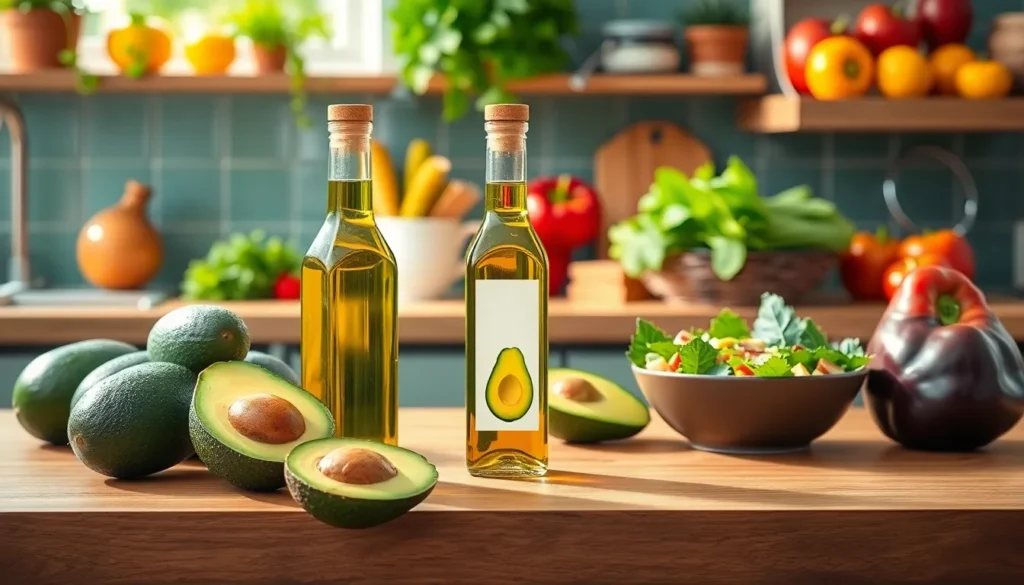
Avocado oil has become the darling of the culinary world, and for good reason. Imagine a cooking oil that not only elevates your dishes but also packs a nutritional punch—it’s like finding a unicorn in your pantry. With its high smoke point and buttery flavor, avocado oil is ready to transform your cooking game from bland to grand.
But is it really good for cooking? Spoiler alert: yes! Whether you’re sautéing veggies or drizzling it over a fresh salad, this liquid gold offers health benefits that would make any dietitian swoon. So grab that bottle and get ready to impress your taste buds and your dinner guests. Avocado oil isn’t just a trend; it’s a delicious way to add a healthy twist to your meals.
Overview Of Avocado Oil
Avocado oil stands out in the culinary arena due to its numerous benefits. Known for its high smoke point, which usually sits around 500°F (260°C), it proves ideal for various cooking methods, including frying, sautéing, and roasting. Using avocado oil can also enhance flavors without overpowering dishes, making it a versatile ingredient.
Rich in monounsaturated fats, avocado oil contributes to heart health, helping to lower bad cholesterol levels. Additionally, it contains essential nutrients like vitamins E and K, along with antioxidants. These components promote overall wellness, making avocado oil a nutritious choice.
Baking with avocado oil can elevate recipes, offering moisture and richness to baked goods. Many chefs appreciate its creamy texture, which works well in dressings and marinades. In addition, this oil complements diverse cuisines, pairing effortlessly with flavors from around the world.
Storage of avocado oil affects its longevity and quality. It’s best stored in a cool, dark place to maintain freshness. Signs of rancidity include an off smell and change in color, indicating it’s time to replace the oil.
People can enjoy avocado oil in many meal options. Drizzling it over salads provides a delightful finish, while using it in dips like guacamole adds depth. Overall, avocado oil proves to be a valuable and health-conscious ingredient in any kitchen.
Nutritional Profile Of Avocado Oil
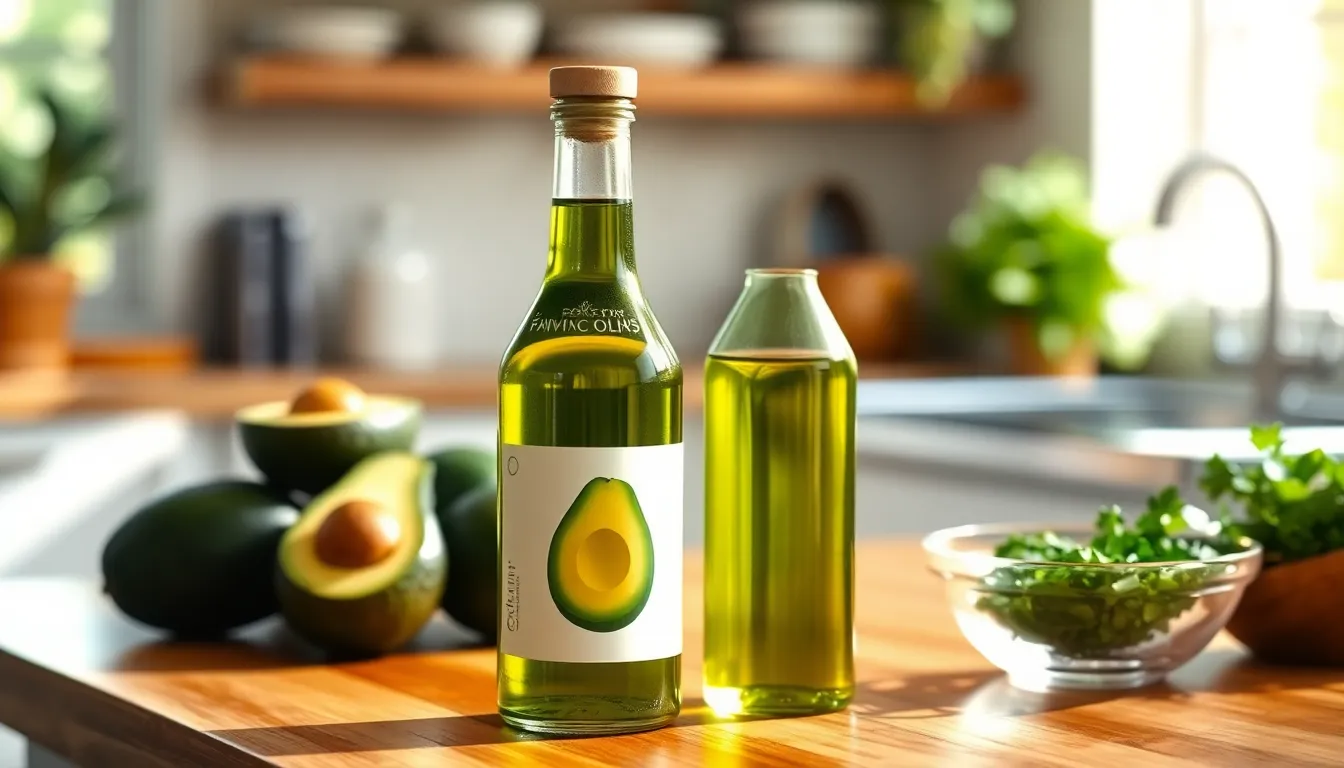
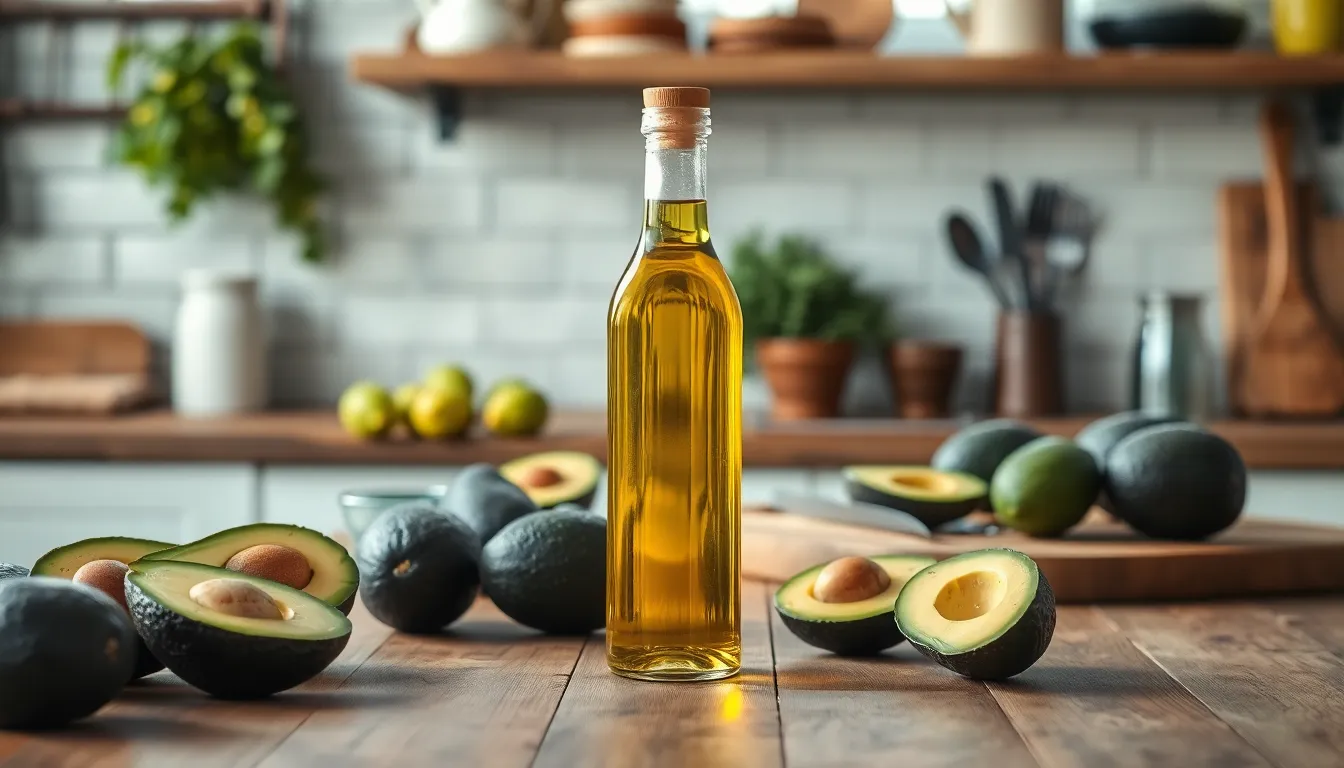
Avocado oil boasts a significant nutritional profile that complements its culinary uses. Nutrients present in this oil contribute to various health benefits.
Healthy Fats
Monounsaturated fats dominate avocado oil, making it a heart-healthy choice. These fats help lower bad cholesterol levels while increasing good cholesterol levels. It’s been shown that consuming monounsaturated fats can reduce the risk of heart disease. Experts suggest replacing saturated fats with healthier options like avocado oil. Cooks appreciate its smooth texture, which adds richness to dishes without overwhelming flavors. The high smoke point of approximately 520°F allows for versatile cooking methods such as frying and roasting, preserving beneficial properties while enhancing taste.
Vitamins And Antioxidants
Vitamins E and K are present in avocado oil, supporting overall health. Vitamin E acts as an antioxidant, protecting cells from damage caused by free radicals. Moreover, vitamin K plays a vital role in bone health and helps regulate blood clotting. The combined presence of these vitamins contributes to avocado oil’s status as a nutritious choice. Antioxidants found in avocado oil also aid in reducing inflammation, supporting a healthy immune system. Regular incorporation of avocado oil into meals ensures an optimal intake of these essential nutrients.
Smoke Point And Cooking Methods
Avocado oil’s elevated smoke point makes it suitable for various cooking techniques. The smoke point typically ranges from 450°F to 520°F, allowing for high-heat cooking without breaking down.
High-Heat Cooking
High-heat cooking techniques benefit from avocado oil’s stability. Frying foods in avocado oil results in crispy textures that many enjoy. Searing meats with this oil retains moisture while adding a rich flavor. Grilling vegetables also works well since the oil enhances their natural sweetness. Using avocado oil for stir-frying incorporates vibrant colors and vivid tastes into dishes. Chefs often prefer this oil for its ability to withstand high temperatures, ensuring healthy meals remain flavorful.
Low-Heat Cooking
Low-heat cooking offers another opportunity to showcase avocado oil’s versatility. Drizzling it over cooked grains enhances flavor without overpowering. Incorporating it into salad dressings creates a smooth, creamy consistency that blends well with other ingredients. Baking with avocado oil adds moisture, contributing to the texture of cookies and muffins. The subtle nutty flavor complements a variety of dishes when used as a finishing oil. Basting roasted meats with avocado oil elevates the overall taste and moisture content.
Health Benefits Of Using Avocado Oil
Avocado oil offers notable health benefits, making it a smart choice for cooking and everyday use. Its distinct properties contribute to overall wellness.
Heart Health
Heart health thrives on avocado oil’s monounsaturated fats. These fats help lower low-density lipoprotein (LDL), known as bad cholesterol, while boosting high-density lipoprotein (HDL), the good cholesterol. Research from the American Heart Association illustrates how regular consumption may reduce the risk of heart disease. Vitamins E and K found in avocado oil further support cardiovascular health. Vitamin E serves as an antioxidant, combating oxidative stress and inflammation that can impact heart function. An easy way to enjoy these benefits includes using avocado oil in salad dressings or marinades.
Anti-Inflammatory Properties
Avocado oil possesses strong anti-inflammatory properties. Antioxidants present in the oil, such as carotenoids and tocopherols, help mitigate inflammation throughout the body. Studies suggest that these compounds reduce markers of inflammation, potentially lowering the risk of chronic diseases. Skin health gains from applying avocado oil topically. Its anti-inflammatory effects assist in soothing irritation and promoting healing. Incorporating avocado oil into meals or skincare routines creates an effective approach to harnessing its beneficial properties.
Considerations When Choosing Avocado Oil
Choosing avocado oil requires attention to several key factors. Quality is paramount. Look for extra virgin avocado oil, as it retains the most nutrients and flavor due to minimal processing. The label should indicate “cold-pressed,” ensuring that heat has not degraded the oil’s properties.
Storage conditions play a significant role in maintaining avocado oil’s quality. Keeping it in a cool, dark place protects it from heat and light, which can cause rancidity. An opaque or dark glass bottle provides better protection than clear packaging.
Assessing the smoke point is also important. Avocado oil’s smoke point, ranging from 450°F to 520°F, makes it versatile for high-heat cooking techniques. This stability helps retain flavor and nutrients during preparation without compromising health benefits.
Exploring the brand’s sourcing practices can offer insight into environmental sustainability. Responsible sourcing supports ethical practices and enhances the oil’s overall quality. Checking for certifications, such as organic or non-GMO, may further ensure that the chosen product aligns with personal values.
Ingredient purity influences health benefits. Ideally, the oil should contain no additives or preservatives, maximizing its nutritional potential. Regularly monitoring for signs of rancidity, such as an off smell or flavor changes, helps maintain its quality for cooking.
Considering these factors ensures that the avocado oil chosen will enhance culinary experiences while promoting health benefits. Not only does it enrich recipes, but it also supports overall wellness through its unique nutritional profile.
Avocado oil is more than just a trendy ingredient; it’s a powerhouse for both flavor and health. Its versatility in cooking and high smoke point make it an excellent choice for various culinary techniques. Packed with heart-healthy monounsaturated fats and essential vitamins, it contributes significantly to overall wellness.
Choosing high-quality avocado oil and storing it properly ensures that its benefits are fully realized. Whether used in frying, drizzling over salads, or enhancing baked goods, avocado oil can elevate any dish while supporting a healthy lifestyle. Incorporating it into daily meals is a simple way to enjoy its rich flavor and numerous health benefits.


