
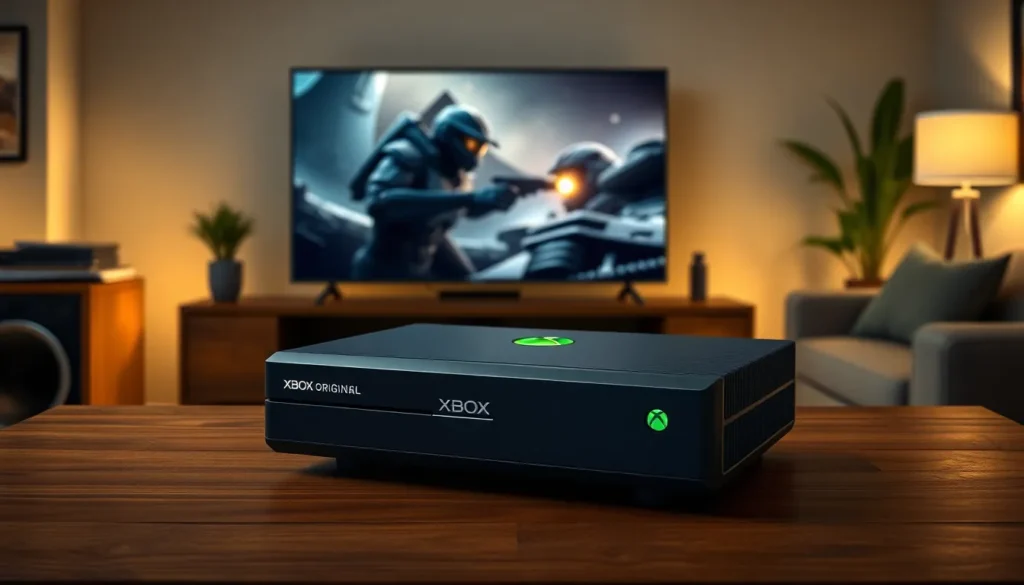
In the world of gaming, few moments are as monumental as the launch of the original Xbox. Picture this: it’s 2001, and gamers everywhere are trading in their controllers for a sleek black box that promised to change the landscape of home entertainment forever. Microsoft boldly entered the arena, ready to take on the giants and deliver a gaming experience that had players glued to their screens.
But when exactly did this gaming revolution kick off? The answer not only marks a pivotal moment in gaming history but also serves as a reminder of how far technology has come. Join the journey back to that fateful day when the Xbox emerged, leaving a lasting impact on gamers and reshaping the industry as we know it. Get ready to relive the excitement and discover the origins of a console that turned casual players into die-hard fans.
Overview of Xbox’s History
Microsoft released the original Xbox in November 2001, marking its entry into the competitive gaming market. This console introduced features like built-in Ethernet and a hard drive, which were groundbreaking at the time. Players enjoyed online gaming through Xbox Live, which launched in 2002, transforming multiplayer experiences.
The Xbox 360 followed in 2005 and featured enhanced graphics and an extensive game library. Notable titles such as “Halo 3” solidified its place in gaming history. This console emphasized digital downloads, expanding how players accessed and purchased games.
In 2013, Microsoft unveiled the Xbox One, designed to integrate seamlessly with home entertainment systems. With features like voice commands and multimedia capabilities, it catered to a broader audience. Despite facing tough competition from Sony’s PlayStation 4, the Xbox One maintained a loyal fan base.
The latest iteration, Xbox Series X and Series S, released in November 2020, offers superior performance and speed. These consoles support backward compatibility, allowing players to enjoy titles from previous Xbox generations. Additionally, services like Xbox Game Pass provide access to a vast library of games, enhancing the overall gaming experience.
Through continuous innovation, the Xbox brand has evolved significantly since its inception. Technological advancements, such as cloud gaming and Game Pass, reflect Microsoft’s commitment to shaping the future of home entertainment. As gaming technology continues to advance, Xbox remains at the forefront of industry transformation.
The Original Xbox Release
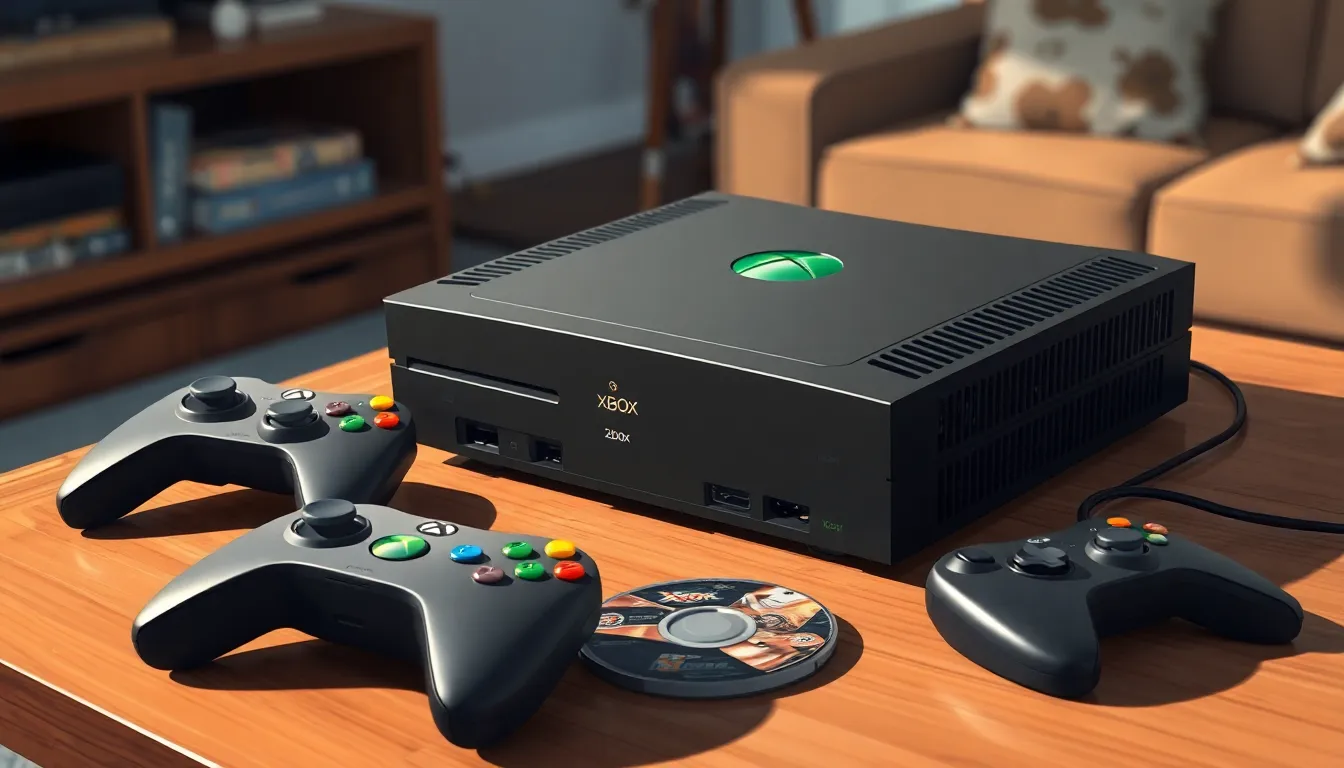
The original Xbox launched on November 15, 2001, marking Microsoft’s entrance into the gaming industry. This console set the stage for a new era in home entertainment.
Development Timeline
Development began in 1999, led by a team at Microsoft that aimed to create a console that could rival existing systems. In 2000, Microsoft unveiled the Xbox at the Electronic Entertainment Expo (E3), generating significant excitement. The final design incorporated advanced technology, including a custom Intel Pentium III processor and an NVIDIA graphics chip. Testing and enhancements continued throughout 2001, ensuring that the console stood out in a competitive market. On launch day, Xbox sold over 1.5 million units within a month, reflecting its immediate popularity among gamers.
Key Features at Launch
The original Xbox featured several groundbreaking aspects that appealed to consumers. It included an internal hard drive that allowed game saves and downloadable content. Xbox Live, the online gaming service, facilitated multiplayer experiences. Its controller, known for its unique design, provided an ergonomic gameplay experience. The console launched with 15 titles, including “Halo: Combat Evolved,” which became a flagship game. Backward compatibility with games from Microsoft’s previous ventures expanded its gaming library. Overall, these features positioned the Xbox as a formidable contender in the home gaming market.
Xbox 360 Release
The Xbox 360 launched on November 22, 2005, marking a significant evolution from its predecessor. This console introduced many features that enhanced gaming experiences.
Significant Changes and Upgrades
Improved graphics technology became a hallmark of the Xbox 360. A custom triple-core processor allowed for superior performance. Additionally, the console supported high-definition gaming, and enhanced audio capabilities enriched the gaming environment. Xbox Live was upgraded, offering a seamless online connection for multiplayer play. A new controller design provided greater comfort during extended sessions. Gamers enjoyed features like the Xbox Live Arcade, allowing access to downloadable games and content. This robust library expanded with time, featuring hundreds of titles at launch and beyond.
Reception and Impact
Gamers and critics praised the Xbox 360 upon release. It sold over 3 million units worldwide in the first year, showcasing its popularity. The platform became known for its online capabilities and extensive game library. Developers embraced the console, releasing blockbuster titles like “Gears of War” and “Halo 3.” These games solidified Xbox 360’s position in the competitive gaming landscape. The console’s legacy influenced future gaming consoles, setting new standards for performance and online features. Ultimately, Xbox 360 contributed significantly to shaping modern gaming culture.
Xbox One Launch
The Xbox One arrived on November 22, 2013, marking another significant chapter for Microsoft’s gaming legacy. This console emphasized integration with home entertainment systems and improved user experience.
Innovations Introduced
Innovative features defined the Xbox One. Enhanced voice recognition technology activated the console with simple voice commands. A revamped controller boasted improved ergonomics and responsiveness, elevating gaming comfort. The introduction of the OneGuide provided a unified interface for cable TV and apps, streamlining access for users. Cloud storage allowed players to save game data online, promoting convenience. Additionally, backward compatibility offered access to select Xbox 360 titles, addressing player requests. These advancements showcased Microsoft’s commitment to combining gaming and entertainment seamlessly.
Consumer Response
Consumer response to the Xbox One varied significantly at launch. Initial excitement fueled strong pre-orders, indicating high anticipation among gamers. However, the console faced criticism for its controversial always-online requirement and restrictions on used games. Mixed feedback emerged following these announcements. Over time, Microsoft reversed several policies, leading to improved reception. As a result, subsequent updates and enhancements increased sales and user satisfaction. By 2015, gamers appreciated the growing library of titles and improvements in Xbox Live services, which further solidified its position within the gaming community.
Xbox Series X|S Release
|
S Release
The Xbox Series X and Series S launched on November 10, 2020, marking a new era in gaming technology. These consoles showcase powerful hardware, offering high fidelity gaming experiences. Series X, with its custom-designed AMD processor, supports 4K gaming at 60 frames per second. Series S targets 1440p resolution while retaining impressive performance. Innovations include ray tracing, faster load times due to SSD, and DirectStorage technology, enhancing gameplay immersion. Enhanced backward compatibility allows players access to a vast library of Xbox One, Xbox 360, and original Xbox games. Game Pass integration expands the gaming catalog, providing subscriptions for access to hundreds of games.
New Technologies and Features
This generation introduces significant advancements. Quick Resume enables players to switch between multiple games seamlessly. Smart Delivery ensures users access the best version of a game for their console. The Series X’s design emphasizes cooling efficiency, utilizing a unique ventilation system to maintain optimal performance. Graphics and processing capabilities rival high-end gaming PCs. Dolby Vision and Dolby Atmos support elevates audio-visual experiences in home entertainment. Additionally, cloud gaming allows access to games on various devices, enhancing flexibility for gamers.
Market Positioning
Microsoft positioned the Xbox Series X and S not just as gaming consoles but as comprehensive entertainment systems. Focus on value attracted diverse audiences, with Series S offering affordability for casual gamers. Series X appealed to enthusiasts seeking cutting-edge technology. Microsoft’s strategy emphasizes cloud gaming, integrating services like Xbox Game Pass for subscriptions. Competing with Sony’s PlayStation 5, Microsoft aims to capture the market with accessible pricing and content offerings. The flexibility of its services aims to create a robust ecosystem for players.
The launch of the original Xbox in 2001 marked a transformative moment in the gaming industry. It not only introduced advanced technology but also set new standards for home entertainment. With each subsequent release Microsoft has continued to innovate and adapt to gamers’ needs.
From the groundbreaking Xbox Live to the powerful capabilities of the Xbox Series X and S the brand has consistently pushed boundaries. This legacy of innovation and commitment to enhancing the gaming experience ensures that Xbox will remain a key player in the ever-evolving landscape of video games. As technology continues to advance the future of Xbox looks bright and promising for gamers worldwide.


